A Familiar Tension
At some point recently, you probably made or wanted to make a decision you knew was right for your destination, and then found yourself having to justify it in language that wasn't designed to express it.
If you've been in this sector for any length of time, you'll recognise the feeling. The questions being asked of you have expanded to now include areas as diverse as community wellbeing, environmental integrity, cultural continuity and housing. Yet the dashboards you're held to, and the language your ministers and funders are using, haven't shifted at the same pace.
Most tourism leaders are navigating that gap every day, often without a framework that makes it manageable or a language that expresses what they're actually trying to do.
The Place Paradigm provides the language and framework to help that navigation.
Read or Download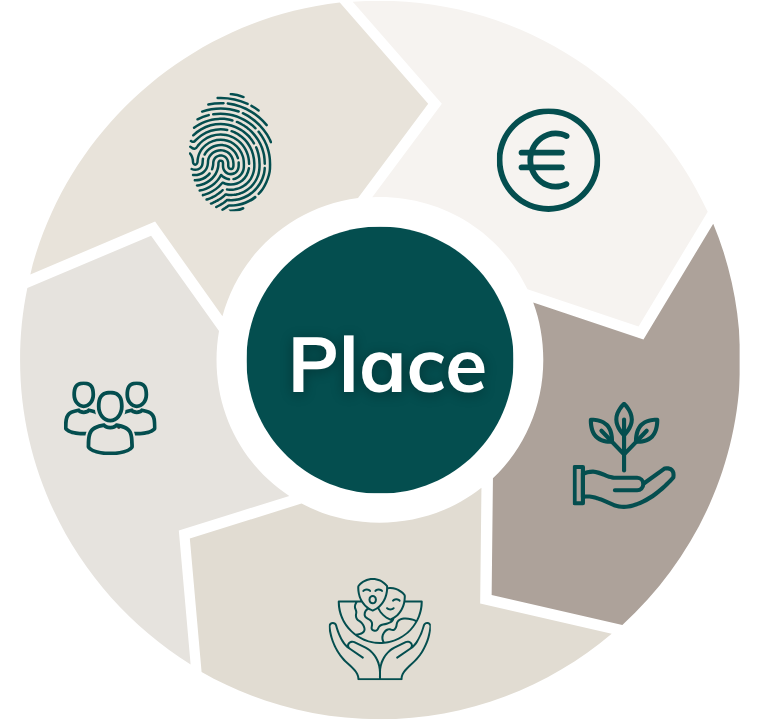
You have already tried
The response across the sector has been thoughtful and well-intentioned: dispersal strategies, season extension strategies, community liaison and inclusion initiatives, environmental scorecards, sustainability reporting frameworks and supports, to name the most common.
Essentially, additional indicators layered onto existing dashboards.
These are credible decisions and in many cases, they have really helped.
Yet most leaders find that the underlying tension persists. The tools address the symptoms without resolving the deeper question of what success actually means for the places that tourism is responsible for.
This is a signal that something more fundamental needs to shift.

The Cost of Getting it Wrong
For many senior leaders, this is a personal tension.
There is a real professional risk in expanding beyond the traditional metrics before the wider system is ready to support you. Move too far, too fast, and risk being perceived as idealistic, not commercially savvy, as having gone soft on growth.
At the same time, doing nothing carries its own risk. Destinations are changing, community expectations are rising, and the political ground is shifting. Leaders who don't navigate that shift now may find themselves further behind later.
Most senior leaders in this space are caught somewhere in between. While they buy in and know instinctively that something needs to change, they still have a board to face, a minister to brief, and a set of personal and destination targets built around an outdated set of assumptions.
What's missing is a framework they can work with and a language they can use.
The Framework and Language You Need
That framework and that language exist in the form of The Place Paradigm®.
It includes The Metrics-Mandate Gap. It describes the role of the Navigator Leader as tourism transitions into a new era. The Stewardship Spectrum allows you to identify your current phase in the transition, while the Five Dimensions of Place Vitality show you how success can actually be measured.
If you want everyone on the same page, then Place is that page.

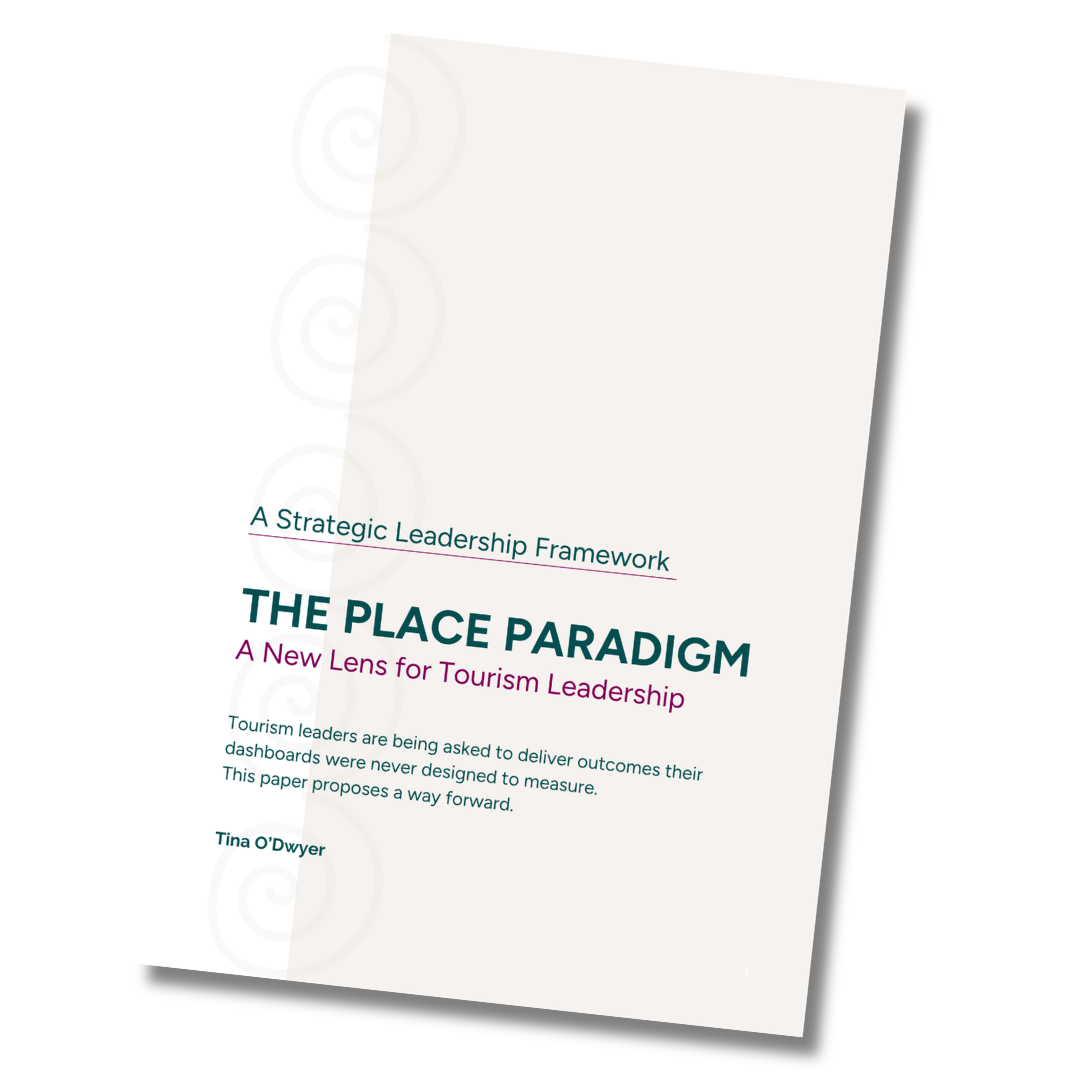
The Place Paradigm® - A Strategic Leadership Framework
Tourism Leaders are being asked to deliver outcomes their dashboards were never designed to measure. This paper proposes the way forward. This is the new lens for tourism leadership.
- The Metrics-Mandate Gap
- The Navigator Leader
- The Stewardship Spectrum
- The Five Dimensions of Place Vitality